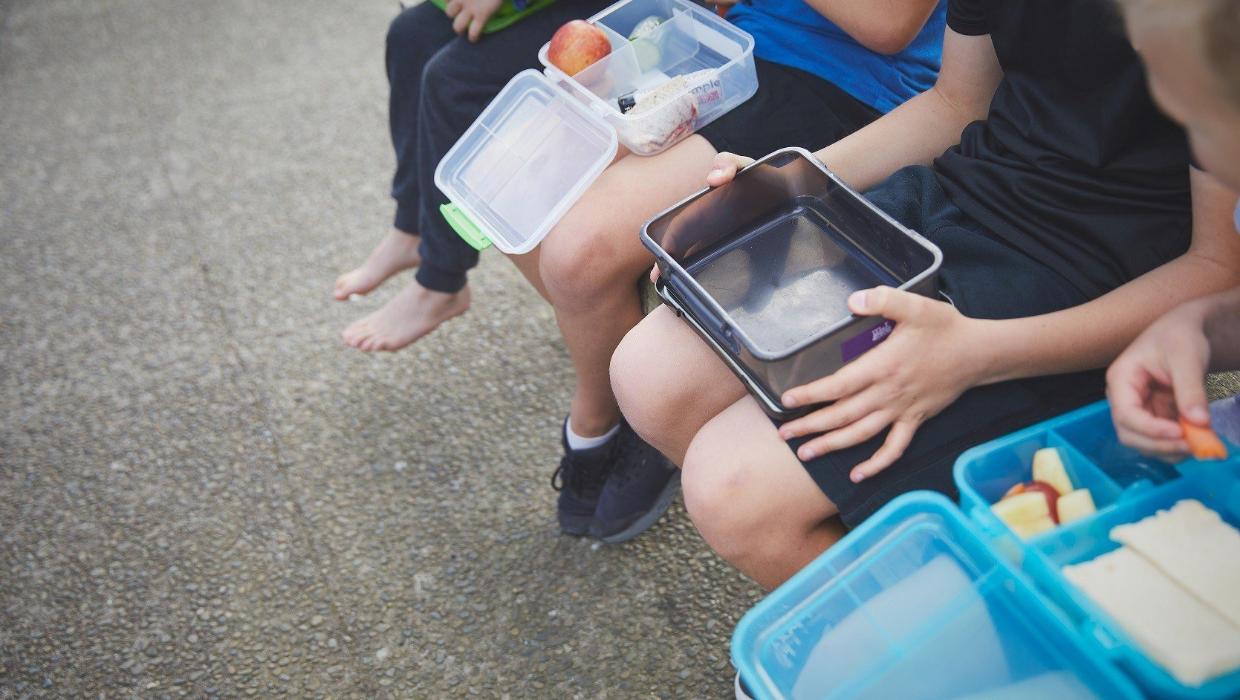
Material hardship measures whether children have access to basic things, like food. Photo: Supplied
Material hardship has increased since 2022, meaning more children are now going without the basics.
The latest Stats NZ Child Poverty Report identified a trend of increased material hardship since 2022, which has undone progress combating child poverty since 2018.
“Material hardship” is declared when children go without seven or more of the 18 material hardship indicators. These are things deemed to be “basic needs”, or close to a basic need, such as being able to visit a doctor when sick, being able to afford utilities, or turn on a heater when cold, or being able to pay for a home internet connection.
In the year ended June 2025, Stats NZ found that one in seven children were living in material hardship. That’s 169,000 children, or 14.3% of children.
But the reality for many Pasifika children in New Zealand is much worse. Stats NZ found that almost a third of Pasifika children were living in material hardship.
Disabled children and tamariki Māori were also more likely to be in material hardship than the general population, with about a quarter of Māori and disabled tamariki in material hardship.

Children’s Commissioner Dr Claire Achmad said these results meant an extra stadium-worth of children were now going without food, or heating, or medical care – and that should be raising alarms.
“The increase that we’ve seen in child material hardship since 2022 in real numbers, is 47,500 more children living in material hardship. This is absolutely unacceptable right now. If we put that into practical terms, that’s filling up Eden Park,” she said.
She said the rising cost of food was pushing more children into poverty.
“It’s a problem that we need to solve urgently, and I am calling on the Government to make this a project of national significance,” she told Stuff.
“They need to invest in the practical things that will make a difference in children’s lives, like reducing the cost of food, improving access to free healthcare, and ensuring jobs and wages are paying whānau enough to get by, and thrive,” she said.
She said the Government set a target of reducing material hardship in its Child and Youth Strategy, but these results showed that “urgent action” was now needed to meet that target.

Child Poverty Reduction Minister Louise Upston said there had been “no statistically significant changes in the three primary child poverty measures” since she became minister.
She said employment remained the big issue driving poverty.
“Unemployment is the last thing to come right after a recession and that is why our Government is focused on growing the economy,” she said.
She said they had made efforts to take child poverty, through increases to in-work tax credits and Working for Families.

Labour Party child poverty reduction spokesperson Jan Tinetti said the Government had not prioritised child welfare since 2023.
“There are now 23,700 more children living in hardship compared to two years ago. Families are struggling and National isn’t listening. While Christopher Luxon prioritised billions in tax breaks to landlords and tobacco companies, children in New Zealand are going hungry,” she said.
When these figures were released, Stats NZ senior insights analyst Ryan Sutcliffe noted that there had been no statistically significant change in year-on-year material hardship results. It is common to see no major changes year-on-year, as he said poverty statistics tended to show gradual change over time.
That change could be seen, when looking at the trend from 2022. Since then, he said material hardship had increased.
While the Stats NZ report found material hardship had returned to 2019 levels, it said two other measures of child poverty – related to household income – had not increased at the same rate. The other measures of poverty studied were about children living in homes which had incomes below the average.
It found that 1 in 6 children lived in households with less than 50% of the median income after household costs.
And 1 in 8 lived in households with less than 50% of the median income before household costs.
For both of those measures, there had been no significant change since the 2024 report and these poverty rates remained below the 2019 level.